Palm Beach Metabolic Care

Blog

Articles and Guidance

Managing Side Effects

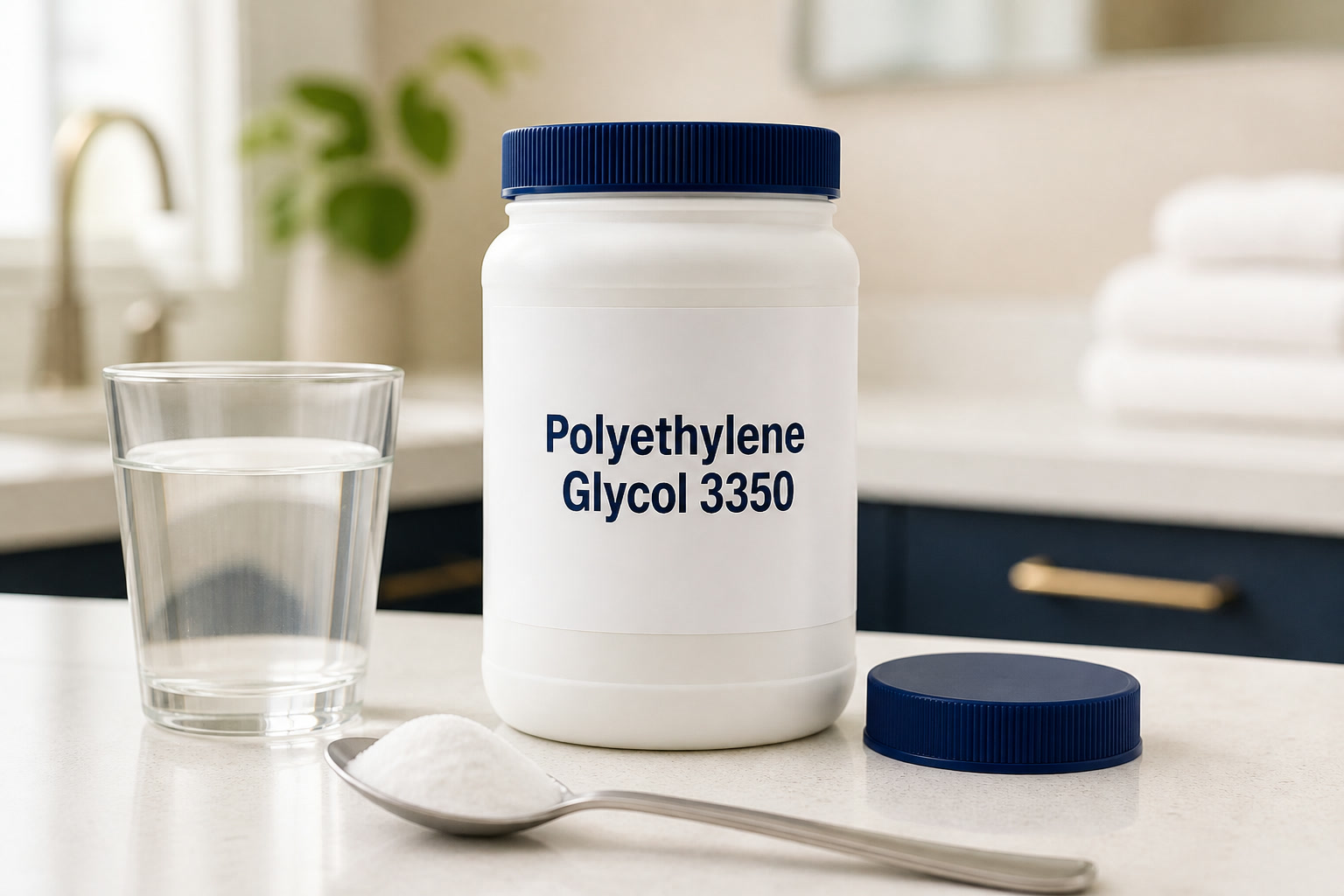
MiraLAX for Constipation Support

GLP-1 medications can slow stomach emptying, while changes in food, fluid, fiber, and activity can also contribute to constipation. Polyethylene glycol 3350 works differently: it retains water in stool so it is softer and easier to pass.

3 min readGuideClinically reviewed

Getting Started

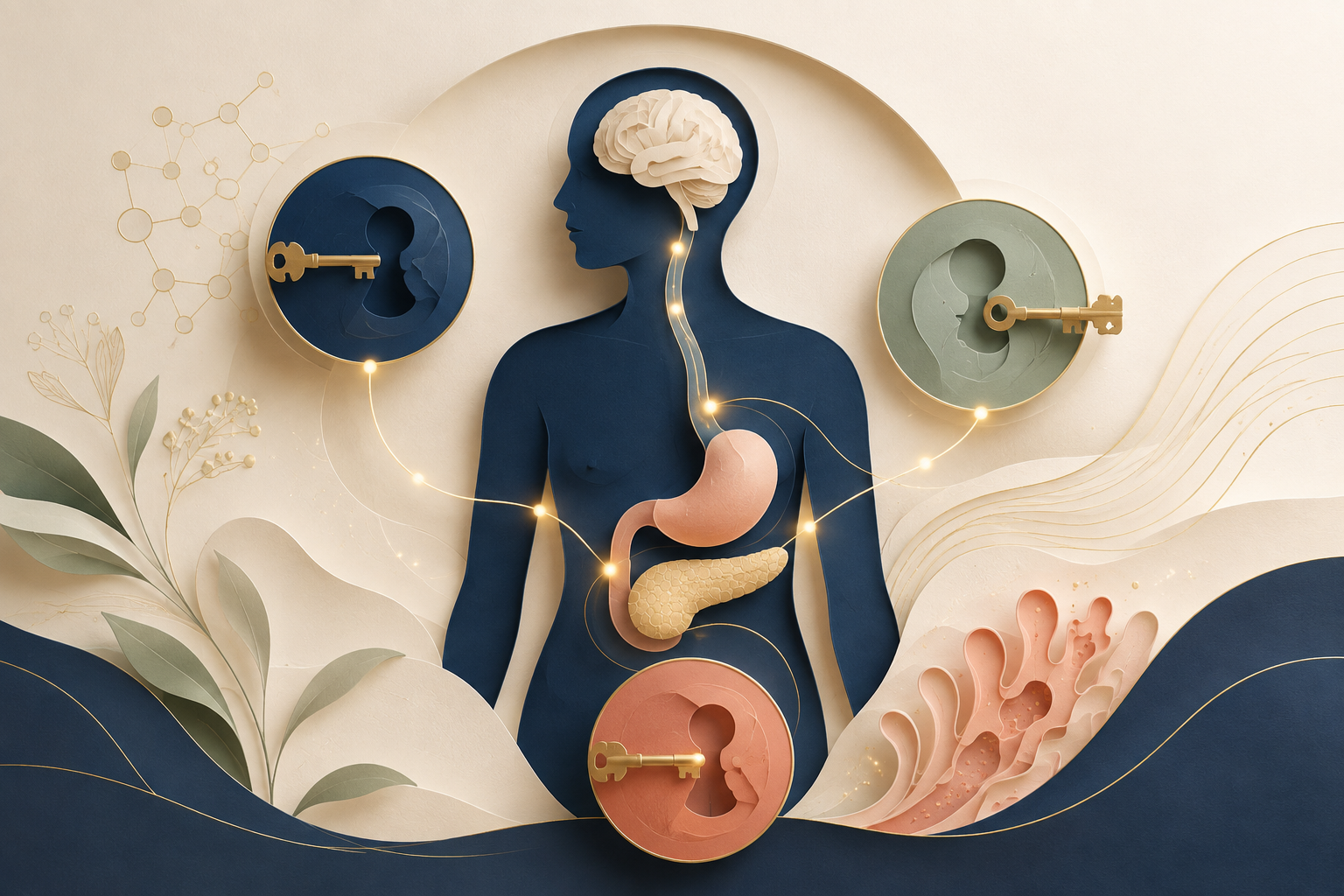
Understanding Incretin Medicines: One, Two, and Three Pathways

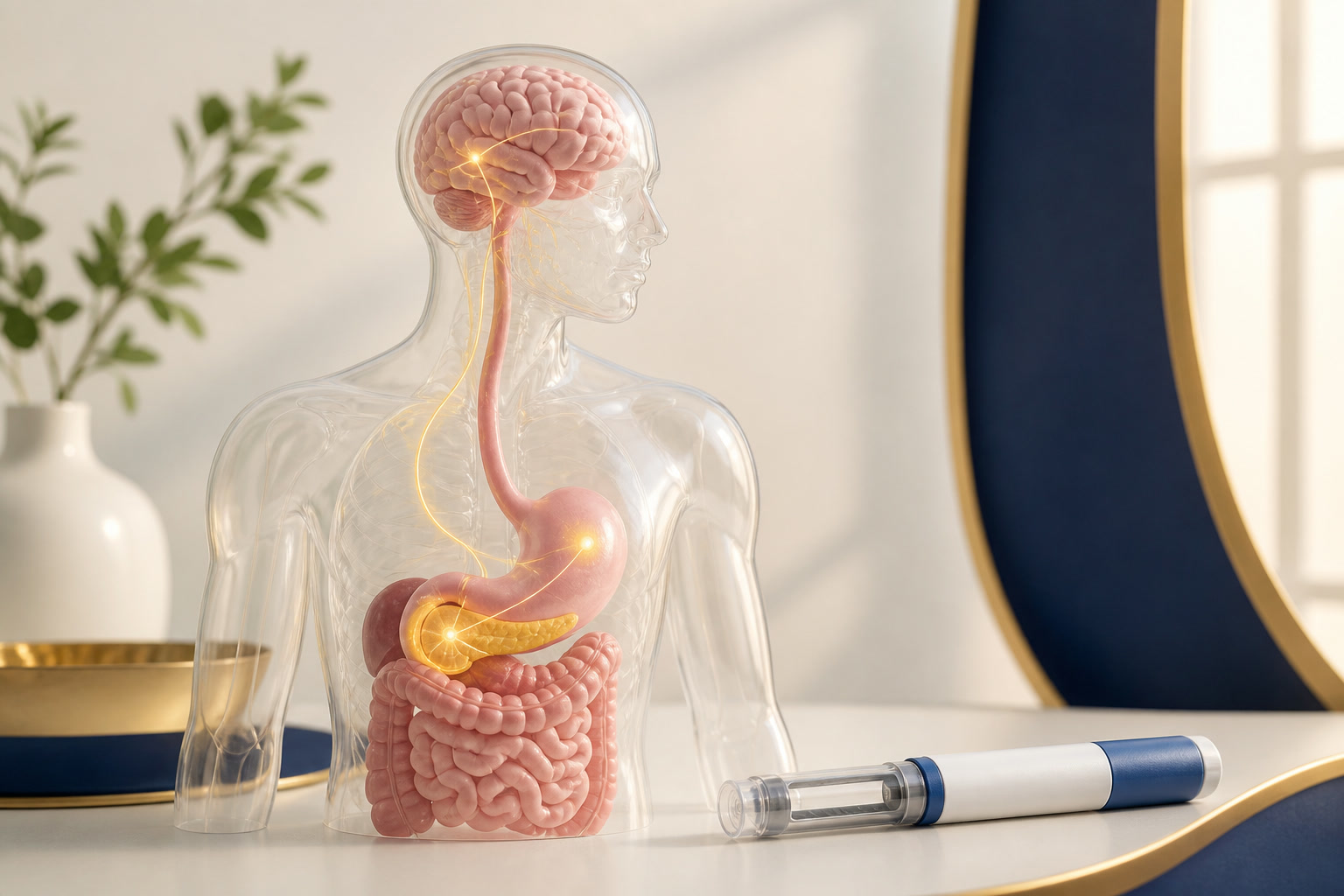
Semaglutide activates the GLP-1 receptor. Tirzepatide activates GLP-1 and GIP receptors. Learn what those pathways do, why one receptor is not one body location, and what scientists mean by a triple agonist.

11 min readGuideClinically reviewed

Shopping Guides

PBMC Trader Joe's Shopping Guide

Trader Joe's can be one of the best stores for GLP-1 patients because it specializes in convenient, portion-friendly foods that make healthy eating easier. The challenge is that some products are incredibly helpful while others can quickly derail nutrition goals. This guide focuses on protein-first choices, healthy convenience foods, freezer staples, hydration support, and realistic meals that fit into a busy lifestyle.

8 min readGuideClinically reviewed

Nutrition

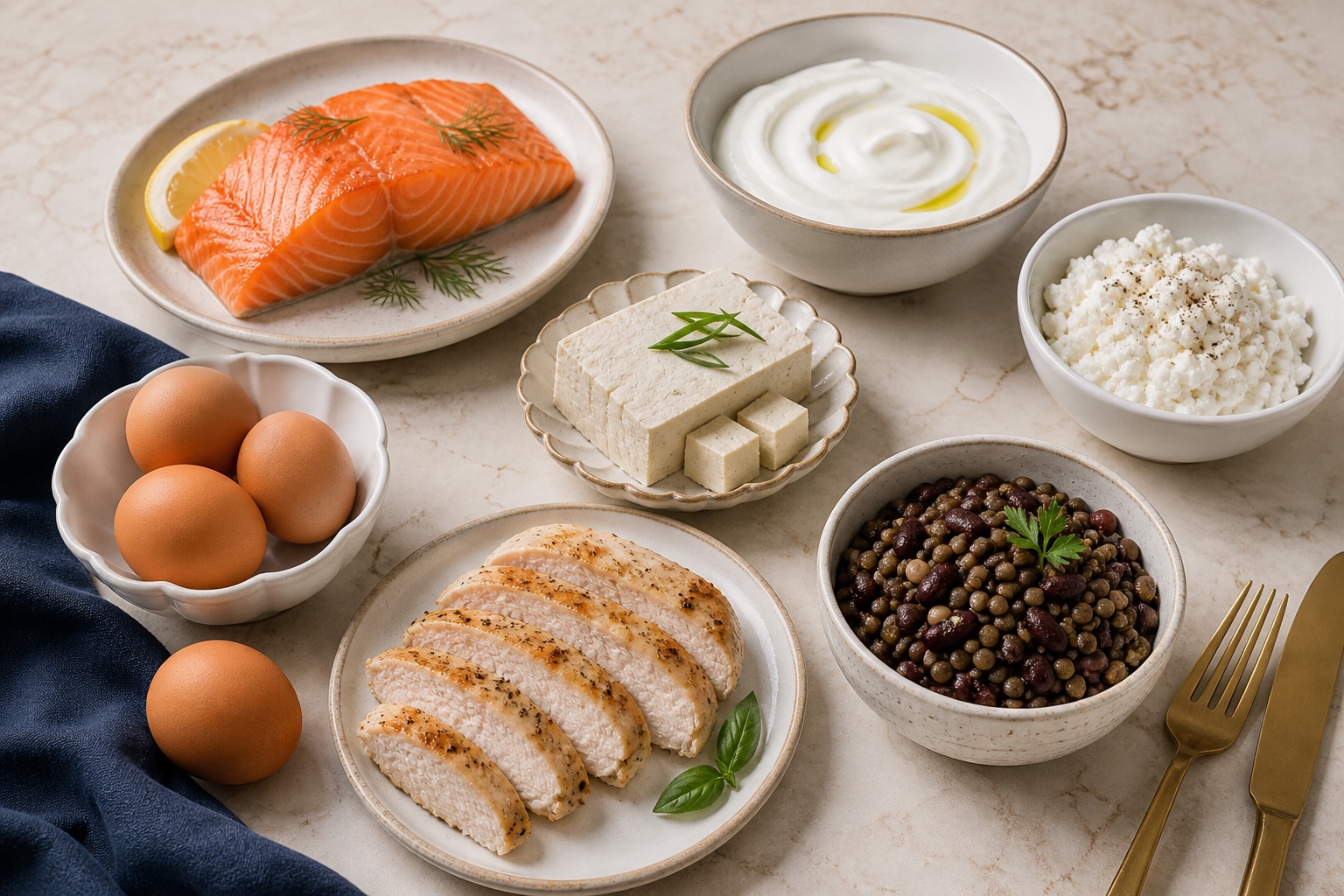
Protein-First Nutrition

One of the most important habits you can develop during GLP-1 therapy is prioritizing protein. As appetite decreases, many people unintentionally eat less protein than their body needs. This can contribute to fatigue, muscle loss, poor recovery, increased hunger, and less favorable body composition changes. A protein-first approach helps support muscle preservation, fullness, energy levels, and long-term success.

9 min readGuideClinically reviewed

Nutrition

Best Foods While on GLP-1 Medications

Focus on nutrient-dense, easy-to-digest foods. Lean proteins, non-starchy vegetables, and small frequent meals support your treatment.

2 min readGuideClinically reviewed

Managing Side Effects

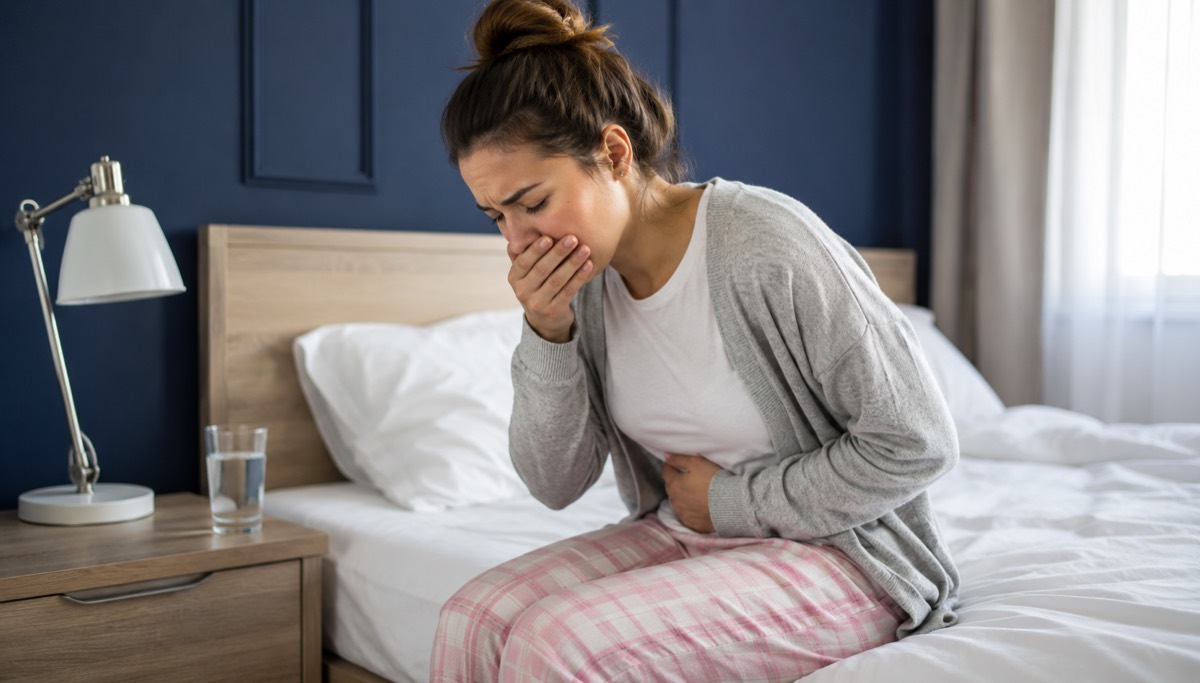
Managing Nausea on GLP-1 Medications

Nausea is one of the most commonly reported side effects during GLP-1 therapy, especially when first starting treatment or increasing a dose. In most cases, nausea improves as the body adjusts. Eating smaller meals, staying hydrated, avoiding overly rich foods, and addressing symptoms early can often make a significant difference. Understanding why nausea occurs and having a plan can help you stay comfortable and on track.

9 min readGuideClinically reviewed

Nutrition

Protecting Your Muscle While Losing Weight

Preserving lean muscle during weight loss keeps your metabolism strong and supports long-term results. Protein and resistance training are essential.

3 min readGuideClinically reviewed

Medications

Omeprazole for Reflux and Heartburn

A proton pump inhibitor commonly discussed for persistent acid reflux or heartburn. Reduces stomach acid production over time.

1 min readMedicationClinically reviewed

FAQ & Safety

Common Questions About GLP-1 Therapy

When starting GLP-1 therapy, most patients have many of the same questions. This guide provides quick, easy-to-understand answers to the questions we hear most often. While many of these topics are covered in greater detail throughout the PBMC Education Library, this article serves as a convenient reference when you need a quick answer.

9 min readGuideClinically reviewed

Getting Started

Starting GLP Therapy

Starting GLP-1 therapy is a journey, not an overnight transformation. Most people experience gradual changes in appetite, fullness, and eating habits over the first several weeks. The early phase is about learning how your body responds, building supportive habits, and creating a foundation for long-term success. Focus on hydration, protein intake, movement, and consistency rather than chasing immediate results.

7 min readGuideClinically reviewed

Managing Side Effects

Managing Reflux and Heartburn

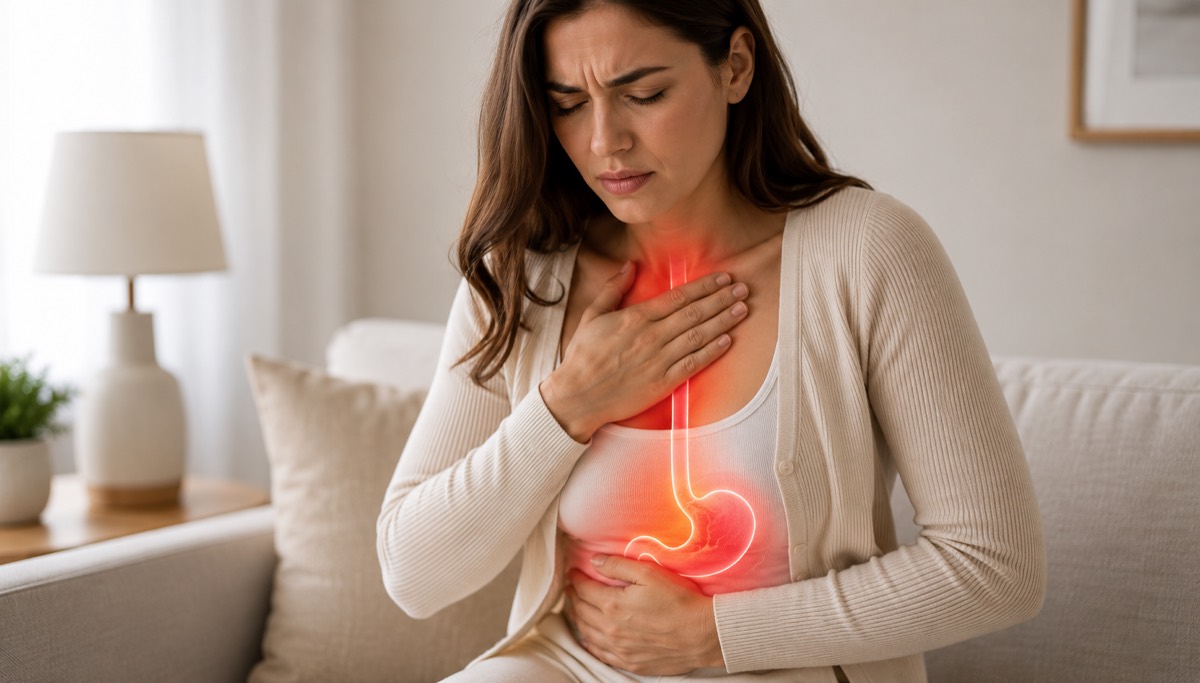
Reflux and heartburn can occur during GLP-1 therapy because these medications slow stomach emptying and increase feelings of fullness. When food remains in the stomach longer, some individuals may experience burning in the chest, acid reflux, burping, or a sensation of food sitting in the stomach. Fortunately, many cases improve with meal timing, portion control, food selection, and simple lifestyle adjustments.

9 min readGuideClinically reviewed

Managing Side Effects

Managing Constipation on GLP-1 Medications

Constipation is one of the most common digestive challenges reported during GLP-1 therapy. In most cases, it develops because digestion slows, food intake decreases, hydration becomes inadequate, fiber intake drops, or activity levels decline. The good news is that constipation can often be prevented or improved with proactive habits. Hydration, movement, fiber-rich foods, and early intervention are usually far more effective than waiting until symptoms become severe.

9 min readGuideClinically reviewed

Managing Side Effects

Bloating & Fullness

Bloating and increased fullness are among the most common experiences during GLP-1 therapy. In many cases, these sensations occur because the medication slows stomach emptying and helps you feel satisfied with less food. While some fullness is expected and often reflects the medication working as intended, excessive bloating or discomfort may indicate that meal size, food choices, or eating habits need adjustment. Learning to recognize your body's new fullness signals can dramatically improve comfort and success.

9 min readGuideClinically reviewed

Shopping Guides

PBMC Publix Shopping Guide

Publix is one of the easiest grocery stores to shop for during your GLP-1 journey because it offers high-quality proteins, fresh produce, healthy convenience foods, and excellent deli options. The key is learning which foods support your goals and which purchases often lead to overeating, poor protein intake, or digestive side effects. This guide walks you through the store section by section and highlights the foods we most commonly recommend.

8 min readGuideClinically reviewed

Managing Side Effects

Dizziness & Lightheadedness

Dizziness and lightheadedness can occasionally occur during GLP-1 therapy, particularly during the first few weeks of treatment or after significant dietary changes. In many cases, these symptoms are related to dehydration, inadequate calorie intake, low blood pressure, electrolyte imbalances, or rapid weight loss rather than the medication itself. Identifying the underlying cause is often the key to improving symptoms and maintaining a successful wellness journey.

9 min readGuideClinically reviewed

Managing Side Effects

Fatigue & Low Energy

Fatigue is one of the most common experiences during GLP-1 therapy, especially during the first few months. In many cases, low energy is not caused by the medication itself but by changes in hydration, nutrition, calorie intake, sleep, exercise habits, or rapid weight loss. The good news is that most cases improve significantly when the underlying causes are identified and addressed. Understanding why fatigue occurs can help you feel better, stay active, and continue progressing toward your goals.

9 min readGuideClinically reviewed

Managing Side Effects

Sulfur Burps & Belching

Sulfur burps and excessive belching are among the more unusual digestive symptoms that some people experience while taking GLP-1 medications. These burps are often described as having a sulfur, egg-like, or unpleasant odor. While they can be frustrating or embarrassing, they are usually related to slower digestion, food fermentation, meal choices, or overeating rather than something dangerous. Understanding the cause can help you reduce symptoms and improve overall comfort.

9 min readGuideClinically reviewed

Getting Started

How GLP-1 Medications Work

GLP-1 receptor agonists mimic a natural hormone released after eating. They slow gastric emptying so food moves more slowly, helping you feel full longer.

2 min readGuideClinically reviewed

Managing Side Effects

Foods That Can Worsen Side Effects

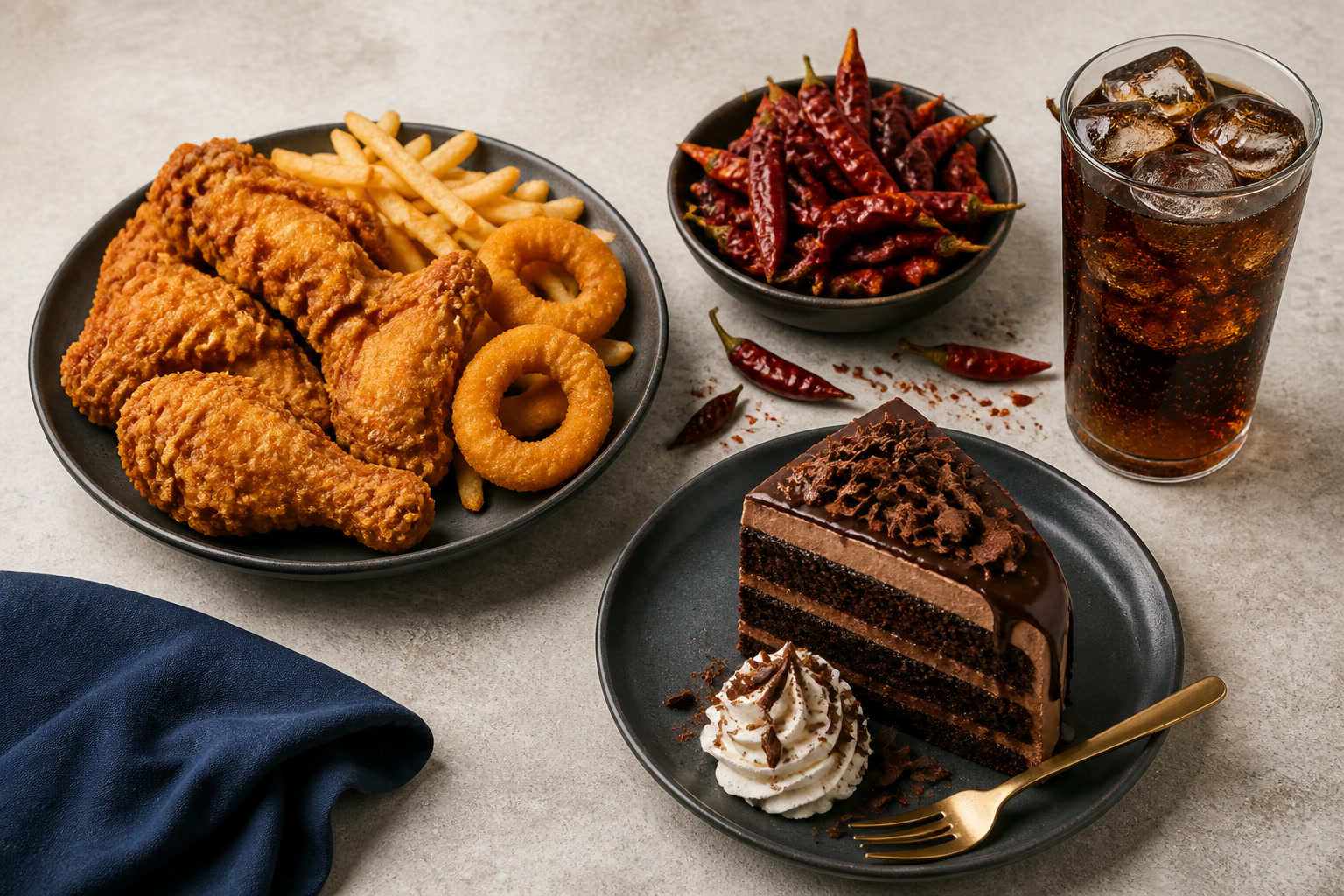
Certain foods can worsen nausea, constipation, bloating, and heartburn. Understanding which foods to limit helps you feel better during treatment.

3 min readGuideClinically reviewed

Nutrition

Why Hydration Is Critical

Reduced appetite means reduced fluid intake. Staying hydrated prevents and reduces almost every GLP-1 side effect.

3 min readGuideClinically reviewed

Getting Started

First 30 Days

The first 30 days of GLP-1 therapy are a learning period. Your body is adapting to the medication, your appetite may be changing, and you are beginning to build new habits around food, hydration, exercise, and fullness awareness. Many people focus exclusively on the number on the scale, but the most successful patients use the first month to develop routines that support long-term success. Think of the first 30 days as the foundation for everything that follows.

9 min readGuideClinically reviewed

Shopping Guides

PBMC Costco Shopping Guide

Costco can be one of the best places to shop during your GLP-1 journey because it offers large quantities of high-protein foods, healthy convenience items, frozen staples, and hydration products at competitive prices. The challenge is knowing what to buy and what to skip. This guide focuses on practical, protein-first foods that support fullness, muscle preservation, hydration, and long-term success.

8 min readGuideClinically reviewed

Shopping Guides

Grocery Shopping Guide

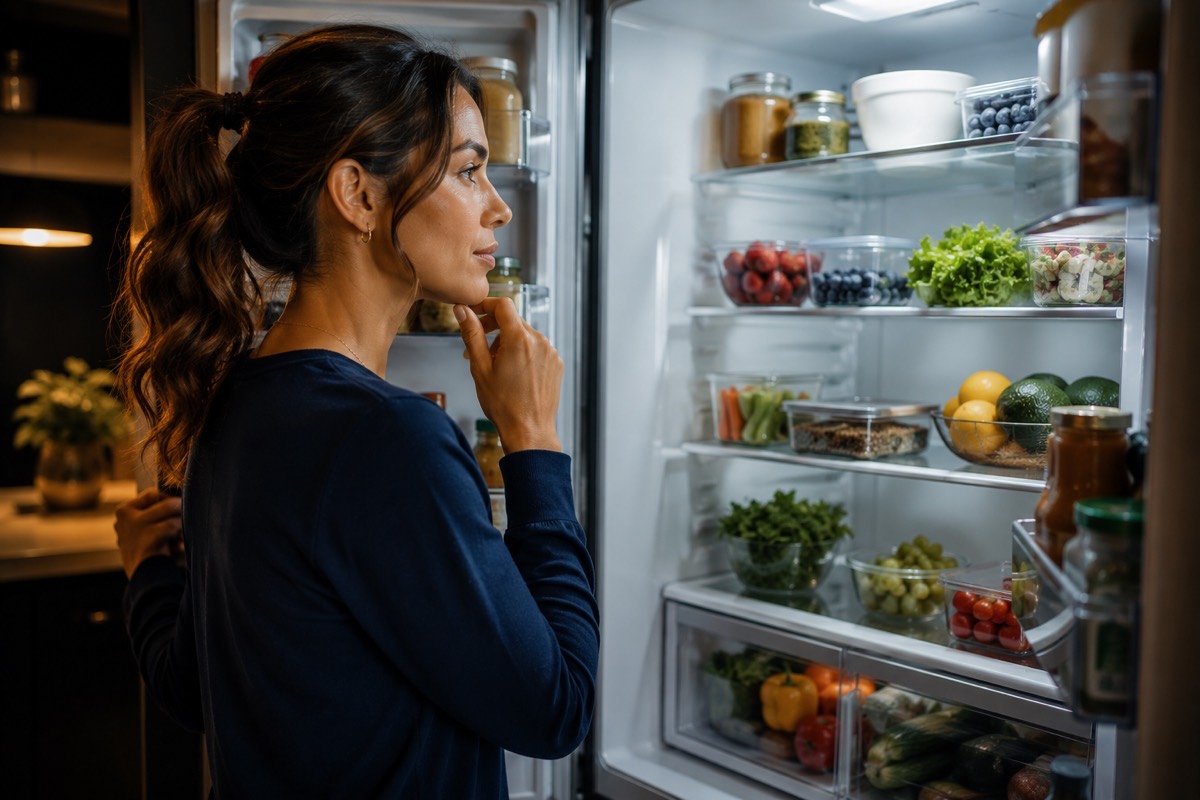
One of the biggest predictors of success on GLP-1 therapy is not what happens during a medical visit—it is what happens in your kitchen. The foods you keep at home strongly influence the choices you make every day. A well-planned grocery trip can make healthy eating easier, improve protein intake, reduce side effects, and decrease the temptation to rely on convenience foods. Think of grocery shopping as the first step in meal planning, not a separate task.

10 min readGuideClinically reviewed

Nutrition

Electrolytes Explained

Electrolytes are minerals that help regulate hydration, muscle function, nerve signaling, and many other important body processes. Most people do not need large amounts of electrolyte supplementation every day. However, some GLP-1 users may benefit from additional electrolytes during periods of dehydration, increased exercise, diarrhea, vomiting, hot weather, or reduced food intake. Understanding when electrolytes help—and when they may not be necessary—can prevent confusion and support better hydration habits.

8 min readGuideClinically reviewed

Nutrition

Hydration Fundamentals

Hydration is one of the most important—and most overlooked—factors in a successful GLP-1 journey. Many patients naturally eat less after starting treatment, but they also unintentionally drink less. Even mild dehydration can contribute to constipation, dizziness, fatigue, headaches, nausea, and poor exercise performance. Building strong hydration habits early can improve comfort, support weight-loss efforts, and help reduce many of the common side effects associated with GLP-1 therapy.

9 min readGuideClinically reviewed

Nutrition

Managing Hunger & Cravings

Many people expect GLP-1 medications to eliminate hunger completely. In reality, hunger is a normal biological signal and cravings can still occur. The goal is not to never feel hungry again. The goal is to better understand the difference between true physical hunger, emotional eating, boredom eating, and cravings. Learning how to manage these signals can improve comfort, confidence, and long-term success.

9 min readGuideClinically reviewed

Nutrition

Learning Your Fullness Signals

One of the most important skills you can develop during GLP-1 therapy is learning how your body's fullness signals have changed. Many people continue eating the way they did before treatment and accidentally trigger nausea, bloating, reflux, sulfur burps, or stomach discomfort. Understanding the difference between hunger, satisfaction, fullness, and overeating can dramatically improve comfort and long-term success.

8 min readGuideClinically reviewed

Lifestyle & Mindset

Exercise & Resistance Training

One of the biggest misconceptions about weight loss is that losing weight automatically improves body composition. In reality, people can lose both fat and muscle during weight loss. Resistance training is one of the most effective ways to help preserve muscle, maintain strength, improve metabolism, and support long-term success while using GLP-1 medications. Combined with adequate protein intake, resistance training can help ensure that more of the weight you lose comes from fat rather than muscle.

8 min readGuideClinically reviewed

Lifestyle & Mindset

Understanding Plateaus

Weight-loss plateaus are a normal part of almost every successful wellness journey. A plateau does not necessarily mean the medication has stopped working or that you are doing something wrong. In many cases, plateaus occur because the body is adapting to weight loss, changes in calorie needs, activity levels, hydration status, or body composition. Understanding why plateaus happen can help you stay motivated and continue making progress over the long term.

8 min readGuideClinically reviewed

Managing Side Effects

Diarrhea

Although constipation receives more attention, diarrhea can also occur during GLP-1 therapy, especially when first starting treatment or after increasing a dose. In many cases, symptoms improve as the body adapts. Hydration, thoughtful food choices, and early intervention are often the keys to managing symptoms and preventing complications such as dehydration.

9 min readGuideClinically reviewed

Shopping Guides

Restaurant Strategies

One of the biggest misconceptions about GLP-1 therapy is that you can no longer enjoy restaurants. In reality, most patients can continue dining out successfully with a few simple strategies. The goal is not to avoid restaurants—it is to approach them differently. By prioritizing protein, recognizing fullness signals, managing portions, and making a few thoughtful substitutions, you can enjoy meals out while continuing to support your goals.

8 min readGuideClinically reviewed

Educational only — always discuss medication choices with your care team.