Palm Beach Metabolic Care

Education & Resources

Knowledge to Support Your Journey

All Resources

Shopping Guides

Grocery Shopping Guide

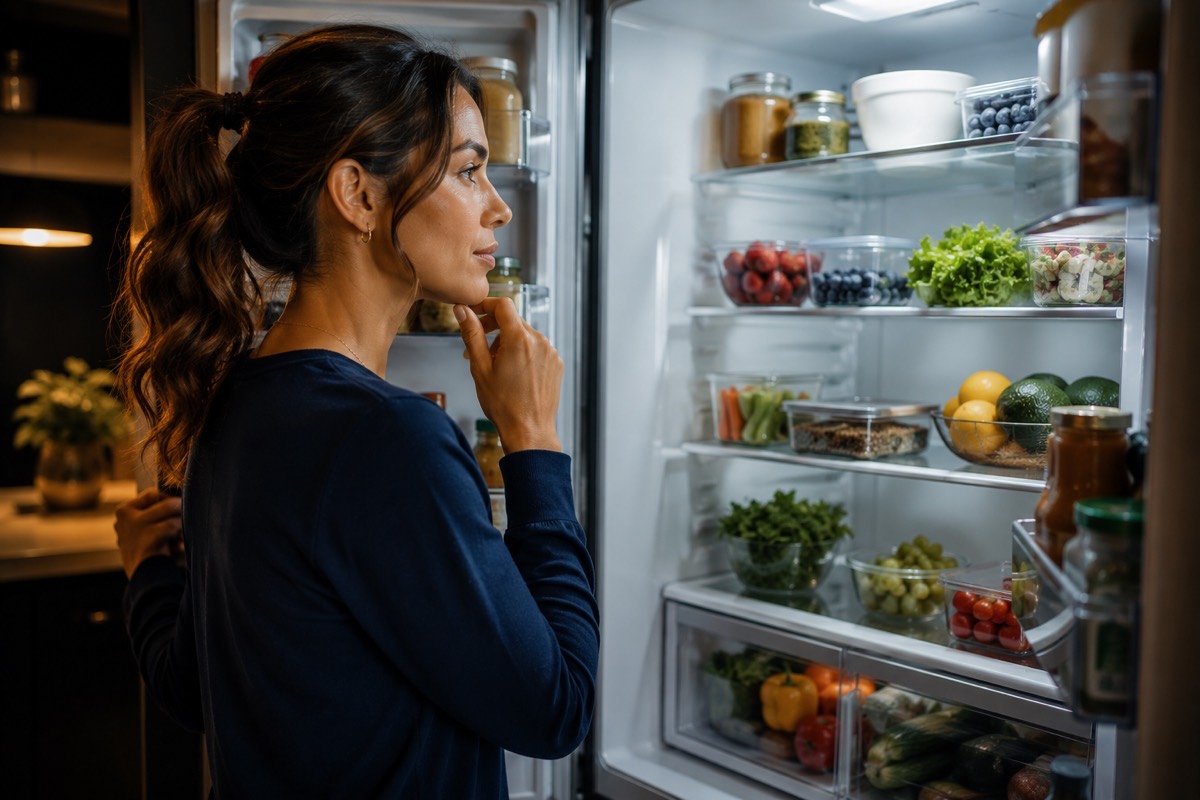
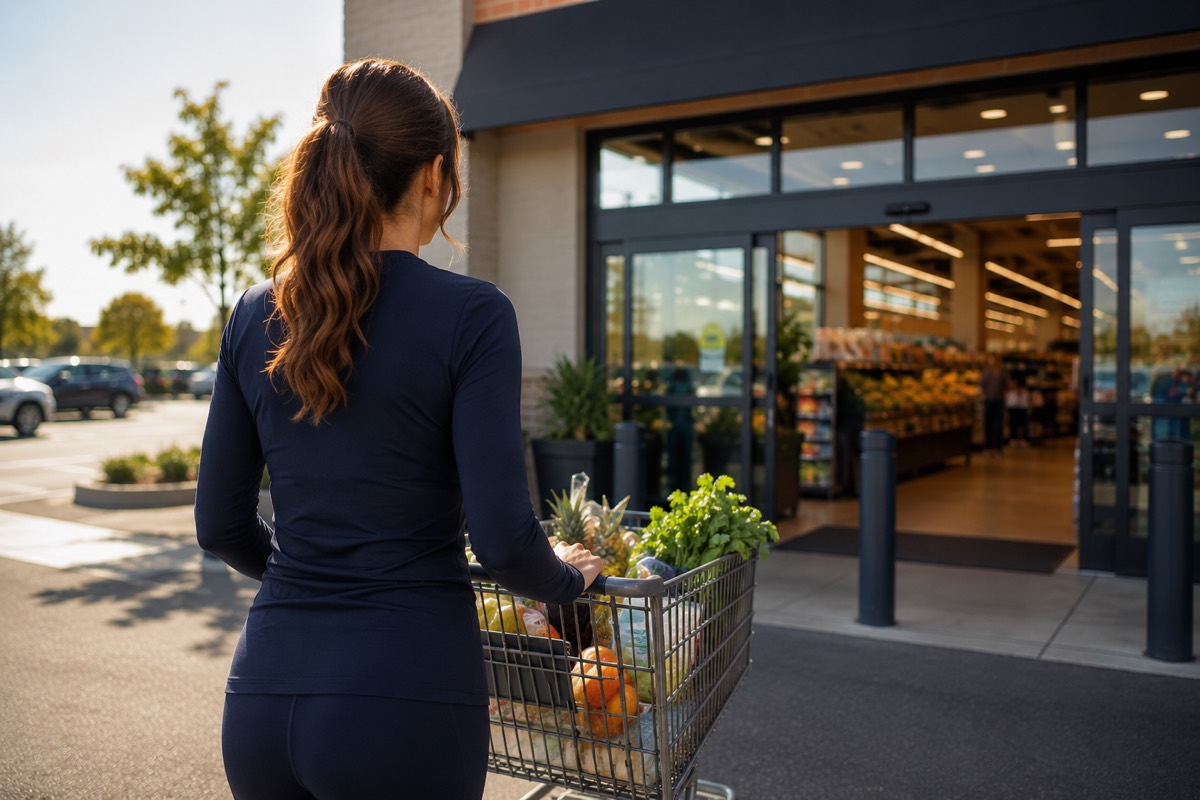
One of the biggest predictors of success on GLP-1 therapy is not what happens during a medical visit—it is what happens in your kitchen. The foods you keep at home strongly influence the choices you make every day. A well-planned grocery trip can make healthy eating easier, improve protein intake, reduce side effects, and decrease the temptation to rely on convenience foods. Think of grocery shopping as the first step in meal planning, not a separate task.

10 min readGuideClinically reviewed

Nutrition

Electrolytes Explained

Electrolytes are minerals that help regulate hydration, muscle function, nerve signaling, and many other important body processes. Most people do not need large amounts of electrolyte supplementation every day. However, some GLP-1 users may benefit from additional electrolytes during periods of dehydration, increased exercise, diarrhea, vomiting, hot weather, or reduced food intake. Understanding when electrolytes help—and when they may not be necessary—can prevent confusion and support better hydration habits.

8 min readGuideClinically reviewed
Nutrition

Hydration Fundamentals

Hydration is one of the most important—and most overlooked—factors in a successful GLP-1 journey. Many patients naturally eat less after starting treatment, but they also unintentionally drink less. Even mild dehydration can contribute to constipation, dizziness, fatigue, headaches, nausea, and poor exercise performance. Building strong hydration habits early can improve comfort, support weight-loss efforts, and help reduce many of the common side effects associated with GLP-1 therapy.

9 min readGuideClinically reviewed

Nutrition

Managing Hunger & Cravings

Many people expect GLP-1 medications to eliminate hunger completely. In reality, hunger is a normal biological signal and cravings can still occur. The goal is not to never feel hungry again. The goal is to better understand the difference between true physical hunger, emotional eating, boredom eating, and cravings. Learning how to manage these signals can improve comfort, confidence, and long-term success.

9 min readGuideClinically reviewed

Nutrition

Learning Your Fullness Signals

One of the most important skills you can develop during GLP-1 therapy is learning how your body's fullness signals have changed. Many people continue eating the way they did before treatment and accidentally trigger nausea, bloating, reflux, sulfur burps, or stomach discomfort. Understanding the difference between hunger, satisfaction, fullness, and overeating can dramatically improve comfort and long-term success.

8 min readGuideClinically reviewed

Lifestyle & Mindset

Exercise & Resistance Training

One of the biggest misconceptions about weight loss is that losing weight automatically improves body composition. In reality, people can lose both fat and muscle during weight loss. Resistance training is one of the most effective ways to help preserve muscle, maintain strength, improve metabolism, and support long-term success while using GLP-1 medications. Combined with adequate protein intake, resistance training can help ensure that more of the weight you lose comes from fat rather than muscle.

8 min readGuideClinically reviewed

Lifestyle & Mindset

Understanding Plateaus

Weight-loss plateaus are a normal part of almost every successful wellness journey. A plateau does not necessarily mean the medication has stopped working or that you are doing something wrong. In many cases, plateaus occur because the body is adapting to weight loss, changes in calorie needs, activity levels, hydration status, or body composition. Understanding why plateaus happen can help you stay motivated and continue making progress over the long term.

8 min readGuideClinically reviewed

Managing Side Effects

Diarrhea

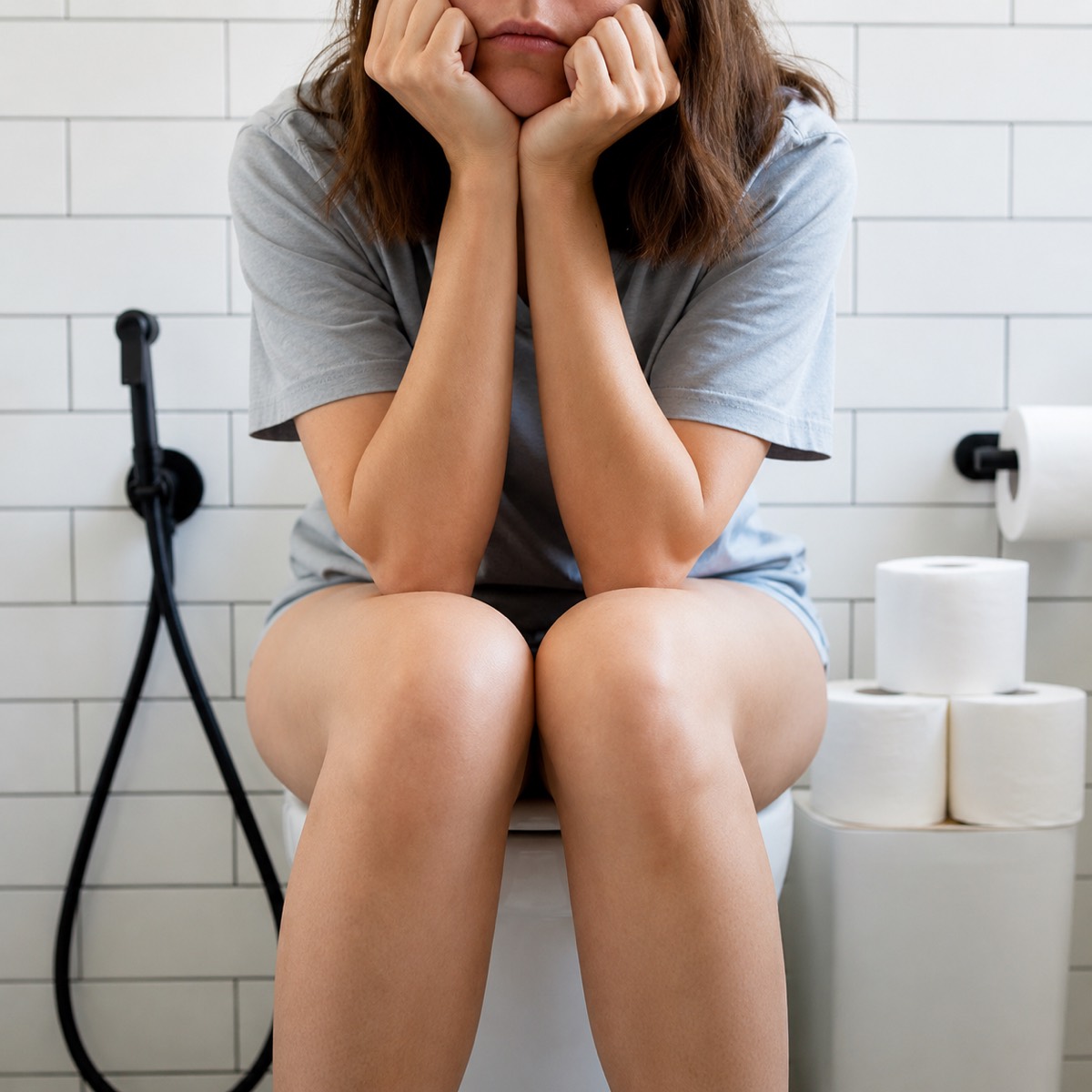
Although constipation receives more attention, diarrhea can also occur during GLP-1 therapy, especially when first starting treatment or after increasing a dose. In many cases, symptoms improve as the body adapts. Hydration, thoughtful food choices, and early intervention are often the keys to managing symptoms and preventing complications such as dehydration.

9 min readGuideClinically reviewed

Shopping Guides

Restaurant Strategies

One of the biggest misconceptions about GLP-1 therapy is that you can no longer enjoy restaurants. In reality, most patients can continue dining out successfully with a few simple strategies. The goal is not to avoid restaurants—it is to approach them differently. By prioritizing protein, recognizing fullness signals, managing portions, and making a few thoughtful substitutions, you can enjoy meals out while continuing to support your goals.

8 min readGuideClinically reviewed

Educational only — always discuss medication choices with your care team.